Conclude Breathing Apparatus Operations Safely Part 4 of 4
Part 4 of 4 explains how to conclude breathing apparatus operations. It covers shutdown, removal, cleaning, after-use inspection, equipment readiness, debriefing and…
Dense, clean posts — gear, readiness, travel, performance. Minimal clutter. Red accents.
Part 4 of 4 explains how to conclude breathing apparatus operations. It covers shutdown, removal, cleaning, after-use inspection, equipment readiness, debriefing and…
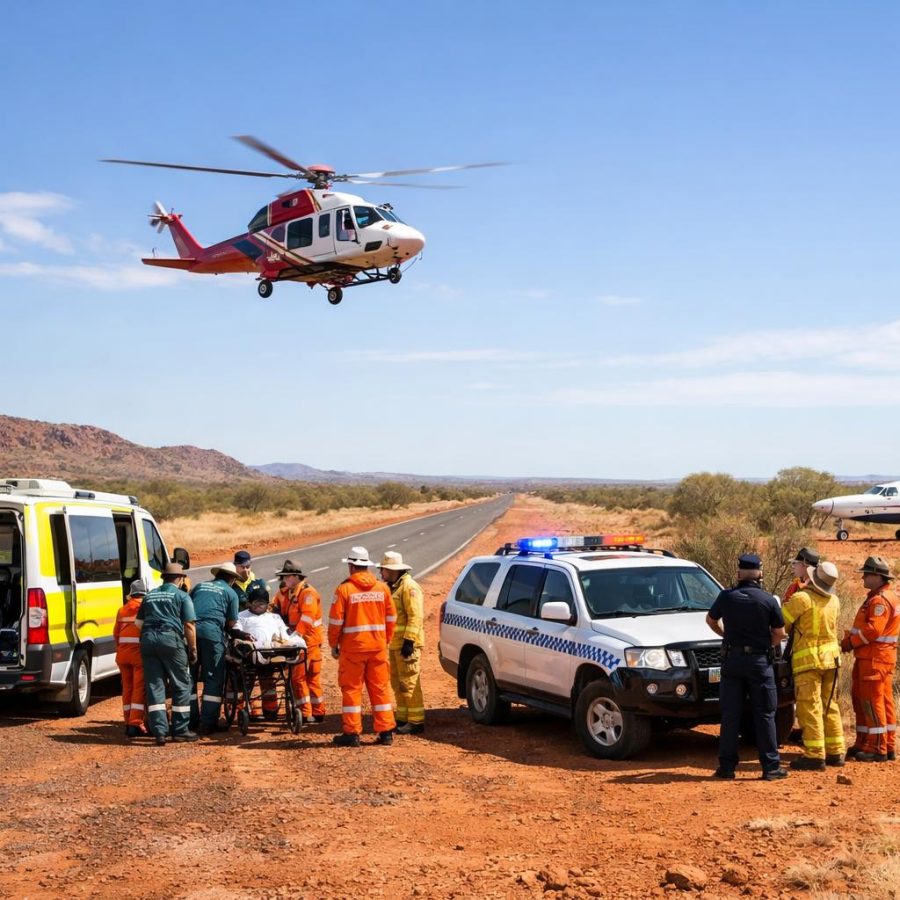
How to Respond Safely to Road Accidents in Remote Outback Australia A practical, step-by-step guide for emergency services and the travelling public…
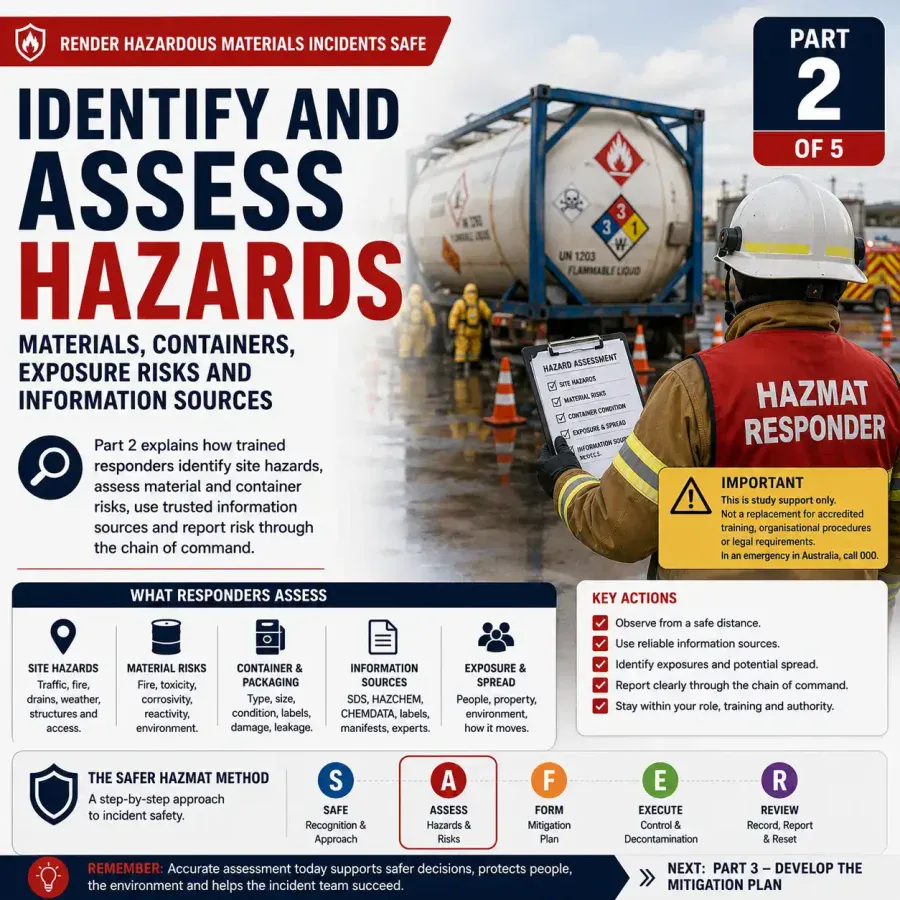
Part 1 of 3 introduces Work safely around aircraft foundations, covering airbase hazards, PPE, safe access, briefings and the AIRSIDE SAFE Cycle.
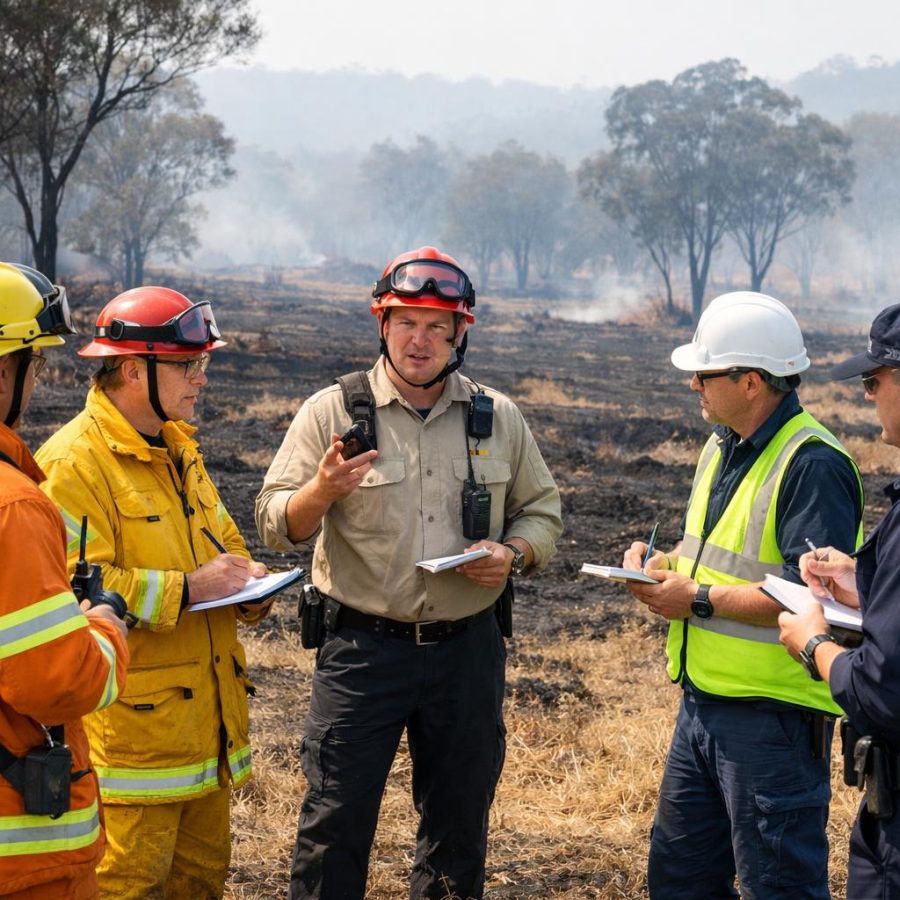
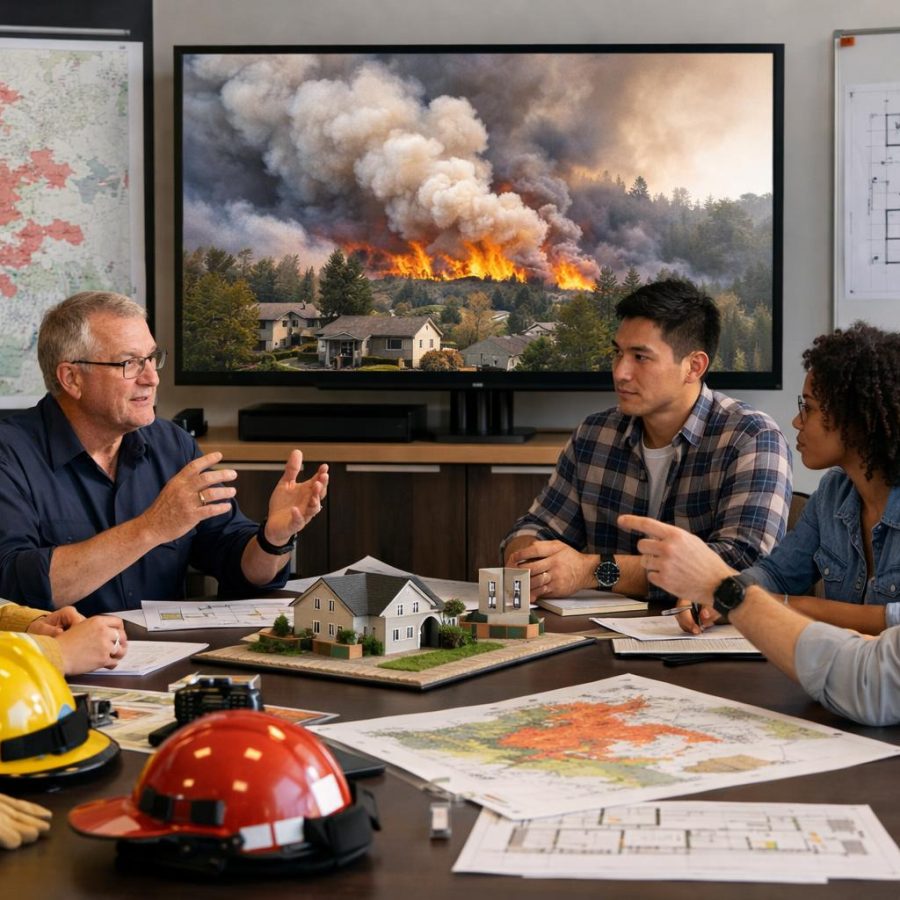
Command, Control and Tactical Strategies for Wildfires in the Australian Outback A practical operational guide for incident commanders, strike teams and frontline…
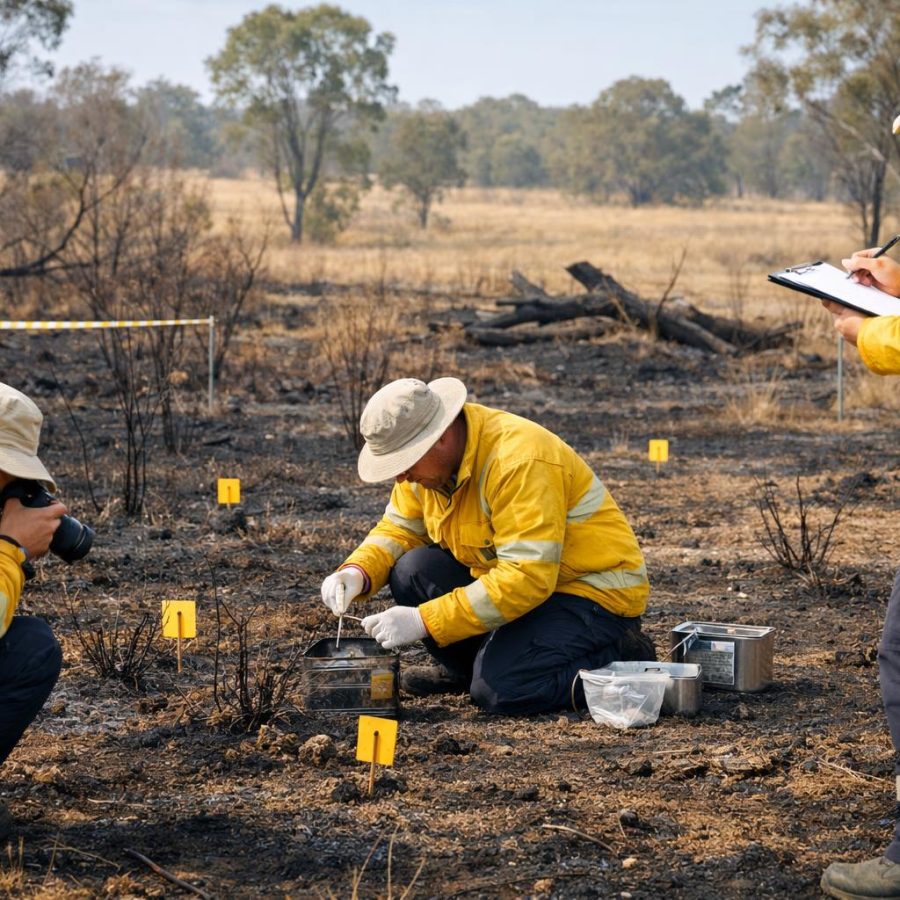
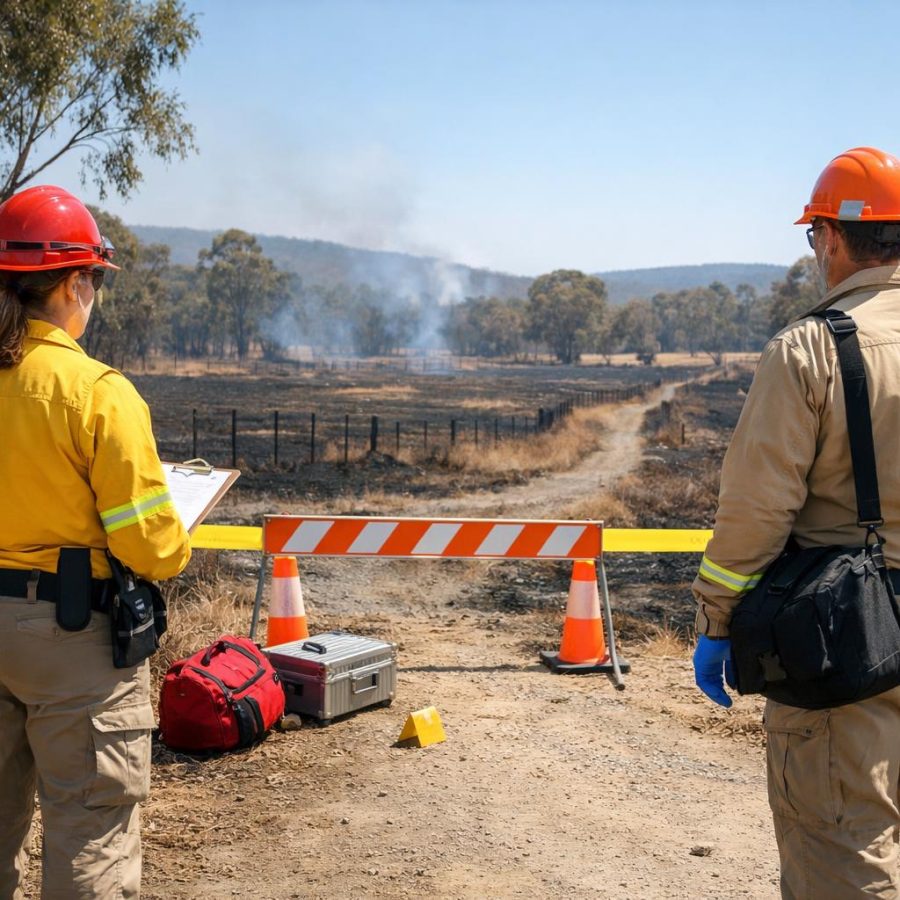
Part 7 of the undertake road accident rescue series explains how crews preserve the incident scene, recover equipment, complete decontamination, participate in…
Operate aerial appliance Part 4 of 4 Conclude Aerial Appliance Operations: Equipment Recovery, Fault Reporting, Debriefing and Final Capstone Challenge Concluding aerial…
Part 4 of Respond to aviation incidents explains how to conclude aviation incident operations through evidence preservation, forcible-entry damage reporting, site transfer…
Part 6 explains how to record and report BAL assessments, communicate findings clearly and complete the final capstone process.
Part 6 of the undertake road accident rescue series explains how crews provide controlled access paths and remove casualties using appropriate rescue…
Part 5 explains how to determine and verify BAL using fire danger inputs, vegetation classification, distance, slope and clear assessment checks.
Part 3 of 4 explains how to operate breathing apparatus safely during response activities. It covers hazard awareness, team communication, breathing apparatus…
From Volunteer Roots to Modern Response: The Story of Northern Territory Emergency Services A comprehensive look at how emergency services in the…
Part 4 explains vegetation distance and slope for BAL assessment, including classification, vegetation type, height, exclusions, site measurement and clear records.
Part 4 of this 4-part refresher series explains how to record and report weather observations through organisational procedures. It also brings the…
How Emergency Services in the ACT Evolved — Then and Now A concise look at the origins, key milestones, and the modern…
Part 3 explains how to gather site information for BAL assessment, including site location, Fire Danger Index or wind speed, constraints, limitations…
Operate aerial appliance Part 3 of 4 Operate the Aerial Appliance: Safe Working Limits, Changing Conditions, Communication and Operational Control Operating an…
Part 2 explains how bushfire attack on buildings can occur through embers, radiant heat, flame contact, fuel, topography, weather and nearby sources…
Part 1A explains what BAL ratings mean, how they work, and why vegetation, distance, slope and fire danger inputs matter.
Part 5 of the undertake road accident rescue series explains how crews plan access and extrication through consultation, casualty protection and controlled…
Learn the foundations of conducting and recording a Bushfire Attack Level assessment, including purpose, standards, WHS/OHS, bushfire attack mechanisms and safe site…